

Non-Surgical Fibroid Treatment
Modern non-surgical methods that increase patient comfort in fibroid treatment and carry a minimal risk of complications.
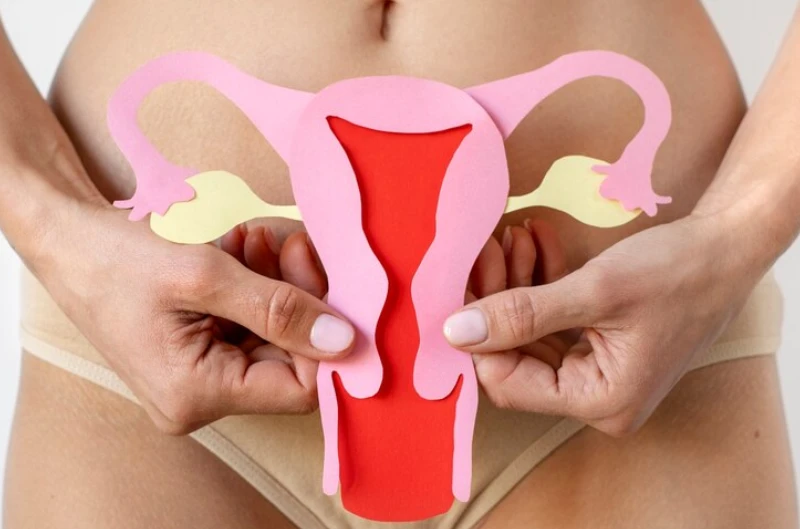
Smooth muscle growths that can be seen in the uterus and in the cervix are called fibroids. Many different approaches can be used in the treatment of fibroids, whose frequency increases in the ages of 35 to 40. Today, a number of methods can be mentioned that increase patient comfort and carry a minimum risk of complications.
Especially with the development of robotic and laparoscopic surgery, many gynaecological operations have been able to be performed with the closed technique and patients have been able to benefit from minimally invasive treatment methods. Thanks to robotic and laparoscopic surgery, the recovery period has become shorter and the comfort of patients has increased considerably. Although these methods are an innovative approach and are considered minimally invasive compared with traditional surgery, non-surgical approaches are now coming to the fore in fibroid treatment.
Non-surgical fibroid treatments can basically be examined in two separate categories: fibroid embolisation and fibroid ablation with ultrasonic focusing. When choosing the method, whether or not the patient wishes to have children is an important criterion. Indeed, the method known as fibroid embolisation, which is based on cutting off the blood flow and the nutrients reaching the fibroid, is not recommended for people who are planning a pregnancy. In such a situation, fibroid ablation comes to the fore with the advantages it offers and because it does not affect pregnancy plans.
The technique used within the scope of non-surgical fibroid treatment, which is based on the use of thermal energy during the ablation procedure and which aims to shrink fibroids by having them absorbed by the body over time, is called myolysis. In this article you can find detailed information about myolysis.