Book an Appointment 0216 649 57 75
Women’s Health & Fibroid Surgery

Fibroids Threaten Women’s Health, Early Diagnosis Saves Lives

Fibroids are among the most common conditions in gynaecology today. These benign tumours, which arise from the muscle layer of the uterus, can be managed safely with the right diagnosis and treatment.

Get to know your doctor! Who is Prof. Dr. Taner Usta?
Prof. Dr. Taner Usta - Fibroid Surgery
25+ Years of Experience
Google 4.9 Rating
Same-Day Mobilisation

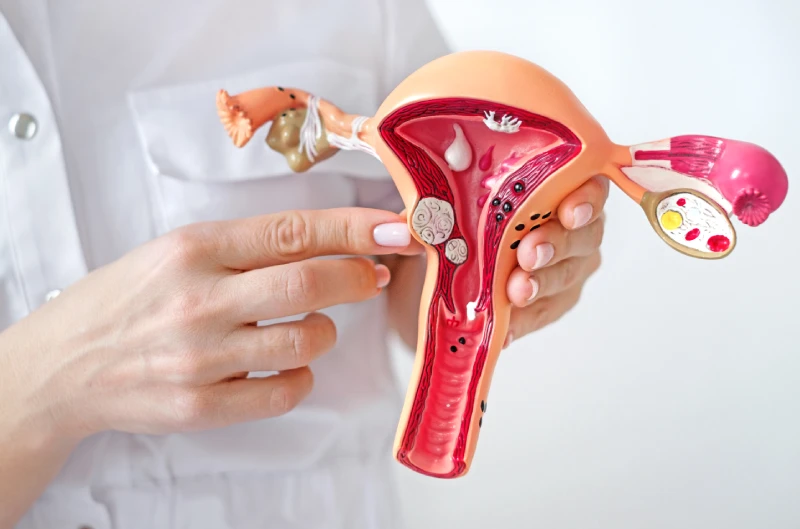
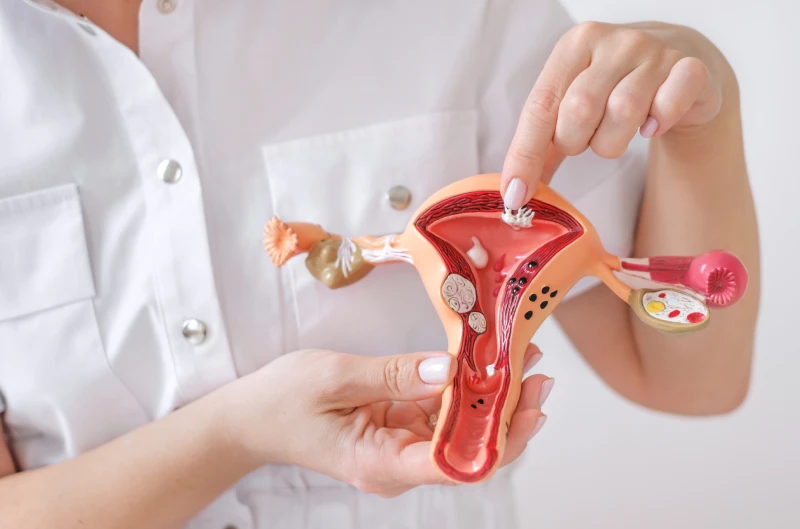
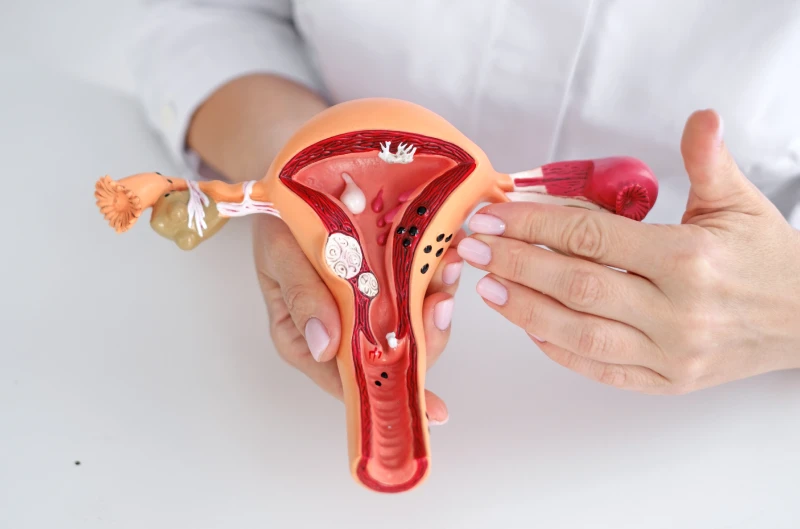
Types of Fibroids by the Area in Which They Form

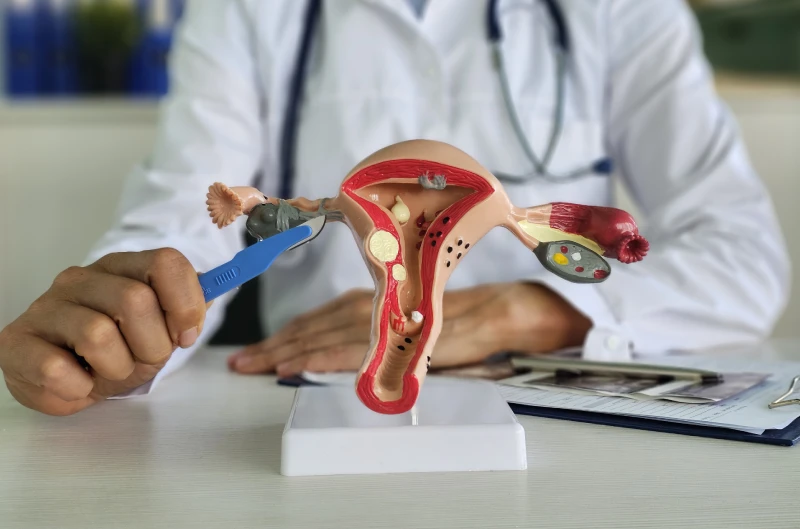
There are many types of fibroids. Depending on the type, their location and the treatment applied may vary.

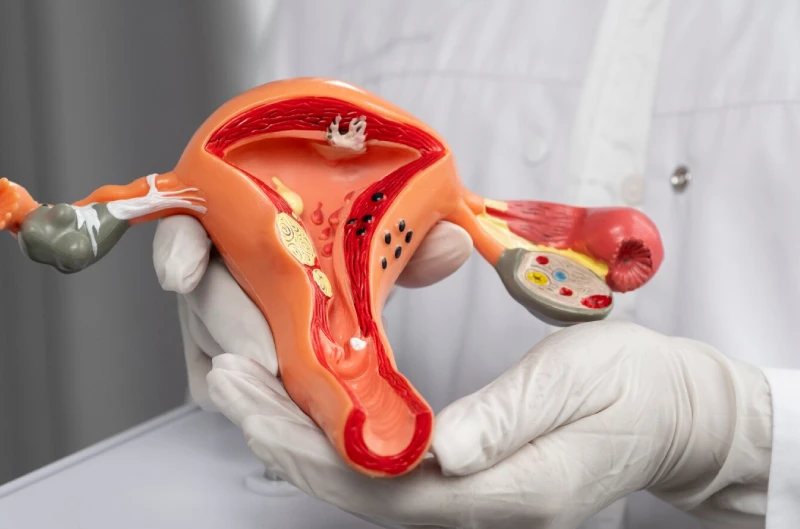
Intramural Fibroid Submucosal Fibroid Subserosal Fibroid Pedunculated Fibroid Parasitic Fibroid Prolapsed Fibroid

FIGO 2–5Myometrium · muscle layer

Intramural Fibroid

Grows within the muscle layer, the thickest layer of the uterus. As it grows it can prolong menstrual bleeding; fibroids on the front wall can press on the bladder, those on the back wall on the bowel.

Treatment approachIf it causes no complaints it can be monitored; depending on its size and position it can also cause infertility.

Read more

FIGO 0–2Endometrium · inner lining

Submucosal Fibroid

Sits in the inner lining of the uterus and usually causes heavy, prolonged menstrual bleeding. Fibroids that prevent pregnancy are mostly in this group.

Treatment approachSuccessfully treated by hysteroscopy.

Read more

FIGO 5–6Serosa · outer surface

Subserosal Fibroid

Grows outward from the surface of the uterus. It usually causes no symptoms and is found at a routine gynaecological examination.

Treatment approachIf it has not grown much it is monitored; if it grows quickly or changes, it is removed surgically.

Read more

FIGO 7Outside the uterus · on a thin stalk

Pedunculated Fibroid

Attached to the uterus by a thin stalk. If it twists around itself (torsion) it can cause severe pain that requires emergency surgery.

Treatment approachIn case of torsion it is removed by emergency surgery.

Read more

RareIn the abdomen · separate from the uterus

Parasitic Fibroid

A fibroid that breaks off the uterus, falls into the abdomen and grows by feeding on neighbouring organs; it can be mistaken for a tumour.

Treatment approachDiagnosed by an experienced specialist with ultrasound and removed surgically.

Read more

Pedunculated submucosalFrom the cervix into the vagina

Prolapsed Fibroid

A pedunculated submucosal fibroid that passes through the cervix into the vagina. It causes heavy bleeding and pain; the most feared risk is infection.

Treatment approachRemoved through the vagina, without an incision in the abdominal wall.

Read more
Interactive Tool

Fibroid Risk Assessment

Find out in 5 short questions which symptoms you should watch for regarding fibroids.

Question 1 / 5

Do you experience heavy or prolonged (more than 7 days) bleeding during your period?

This tool is not a medical diagnostic method; the results are for information only. A definitive diagnosis can only be made through a physician’s examination.
Clinical Results

0

a clinic specialising in laparoscopic and robotic fibroid surgery, with years of experience.

da Vinci Robotic Surgery Expert badge
%0Patient Satisfaction
0Google Rating
da VinciCertified Robotic Surgery
EEL & ESGEEuropean Advisory Board Member
Advanced Pelvic Surgery Specialist
Patient reviews

What Our Patients Say

Google★★★★★4.9

After meeting him, the confidence he gave me made me decide very quickly on the fibroid surgery I had been putting off for years. My operation was performed with robotic surgery, and I was up on my feet the same evening without feeling any pain.

HY
Hayriye Y.Verified Patient

I am really very lucky to have met Taner Hoca. His knowledge is very extensive. It is impossible for your questions to remain unanswered. But most importantly, he is a doctor who understands you and shows empathy.

TM
Tuğba M.Verified Patient

Dear Prof. Taner performed my surgery. Thanks to his reassuring approach throughout both the treatment and the surgery, I had no difficulty despite my fear of surgery. I am free of the pain that made my life so hard.

NÖ
Neslihan Ö.Verified Patient

Prof. Taner and his team were extremely attentive and informative throughout the whole process. I felt very safe and I wholeheartedly recommend him to everyone.

BE
Berna E.Verified Patient
Frequently Asked Questions

Frequently asked questions

Fibroids are growths of smooth muscle tissue of abnormal size seen in the uterus and the cervix.
The most common symptoms are heavy bleeding during periods, anaemia, enlargement of the abdomen and uterus, severe pain during sexual intercourse, lower back and tailbone pain, a frequent urge to urinate, blockage of the fallopian tubes (in some cases fibroids can cause the tubes to become blocked) and constipation.
Over time, certain changes can occur in fibroids; this is called ‘degeneration’. The most important of these is sarcomatous degeneration, which indicates that the fibroid has become a malignant tumour. The rate of sarcoma in a fibroid (the likelihood of it being cancer) is reported as about 1 in 500 women on average, and this likelihood increases with the patient’s age. It is very difficult to tell whether a fibroid is benign or malignant without surgery; the diagnosis is usually made after the fibroid has been removed and examined pathologically.
The answer is very clear; no. The uterus can be preserved in many cases. One of the important points here is the experience of the surgeon who applies these surgical techniques. Follow-up after surgery is important, especially in patients whose uterus has been preserved.
They are most frequently seen in the 35-40 age group. The probability of them being seen during adolescence is quite low, but their frequency may increase in parallel with advancing age.
Today, closed operations in particular are widely used in the surgical treatment of fibroids. If the fibroid is close to the inner layer of the uterus, the operation is performed by hysteroscopy; if it is deeper and larger, it is performed laparoscopically. In recent years, fibroid surgery has been performed successfully, especially robotically.
Fibroids are benign tumours that arise from the muscle layer of the uterus. Since men do not have a uterus, fibroids do not occur in men.
Depending on where they form in the uterus, fibroids can cause certain problems in sexual life. When a prolapsed fibroid is present, sexual intercourse becomes quite difficult. Submucosal and cervical fibroids can cause pain during intercourse and bleeding afterwards. Intramural and subserosal fibroids rarely cause pain and usually cause no complaints.
The definitive treatment of fibroids is surgical removal. After surgery, bleeding from the site where the fibroid was removed may rarely occur. The most important long-term concern is rupture at the site where the fibroid was removed during a later pregnancy; this is a very serious and potentially life-threatening condition. For this reason, women who have previously had fibroid surgery should be closely monitored when they become pregnant.

Take the First Step for Your Health

Book an appointment now for an examination or a second opinion.

Book an Appointment