

Surgical Treatment of Fibroids
The definitive treatment of fibroids is their surgical removal. The operation to be performed is determined according to which layer of the uterus the fibroid is in and according to the size of the fibroid.
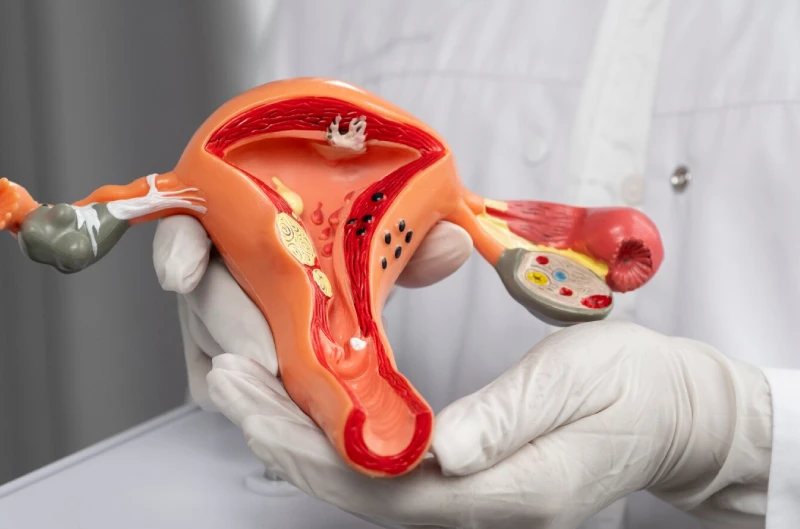
The definitive treatment of fibroids is their surgical removal. The operation to be performed is determined according to which layer of the uterus the fibroid is in and according to the size of the fibroid. For example, if the fibroid originates from the inner layer of the uterus and has grown towards the vagina, the fibroid is removed through the vagina during surgery. Submucosal fibroids, which also originate from the inner layer, are removed hysteroscopically (entering the uterus with a camera). Depending on the size of the fibroid, submucosal fibroids are removed hysteroscopically in a single session or in several sessions performed a few weeks apart.
If the fibroids are intramural or subserosal, they should be removed laparoscopically, with robot assistance or by open surgery. Today, because laparoscopy and the robot have advanced greatly in technological terms, experienced surgeons generally perform fibroid operations laparoscopically or with robot assistance. The advantages of laparoscopy compared with open surgery are a shorter hospital stay, less pain after surgery, faster recovery, an earlier return to daily life and less blood loss.
In addition to the advantages of laparoscopy, the robot provides a better sense of depth and thus makes it easier to remove difficult fibroids. Today, apart from the removal of very large and very numerous fibroids, surgeons experienced in laparoscopy and the robot rarely prefer open surgery. The most important risk of fibroid operations is rupture at the site from which the fibroid was removed during a subsequent pregnancy. To prevent this, after the fibroid has been removed the fibroid bed must be sutured and closed very carefully. For this reason, fibroid surgery must be performed by surgeons experienced in this field.
Fibroids may develop again after surgery. If the patient does not wish to have children, if she has multiple and large fibroids, if bleeding occurred during the fibroid operation, or if the fibroids recur after the fibroid operation, an operation to remove the uterus (hysterectomy) is performed. After the uterus has been removed, fibroids can no longer recur and the patient is definitively treated. Another treatment for fibroids is the radiological closure of the vessels that feed the uterus. This method is called ‘uterine artery embolisation’. However, this method cannot be used in women who wish to have children.