

Intramural Fibroid
All fibroids originate in the ‘myometrium’ layer and grow from there, affecting the other layers.
What Is an Intramural Fibroid?
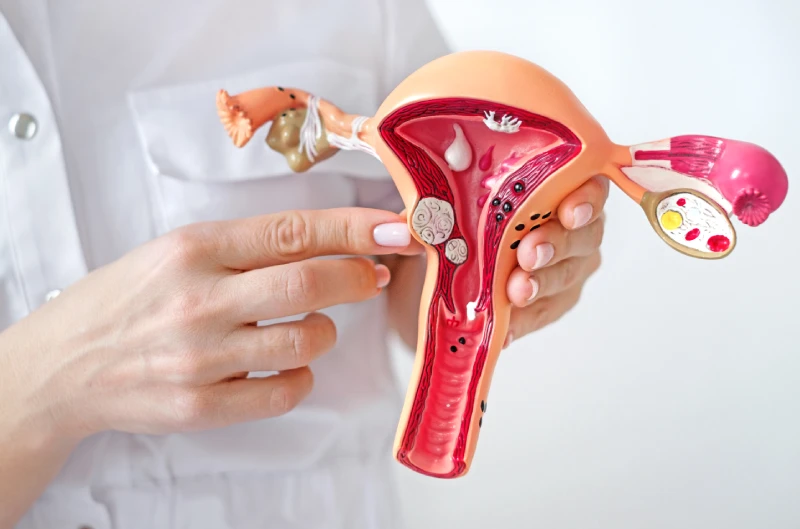
The layer in which all fibroids form is the ‘myometrium’ layer, and they grow from there and affect the other layers. The thickest layer of the uterus is this muscle layer that we call the myometrium. Fibroids that develop within the muscle layer are called ‘intramural fibroids’ (fibroids numbered 2, 3, 4 and 5). Because of their mass, these fibroids can affect the inner and outer layers of the uterus. They are also named in different types according to this size and direction of growth. As these fibroids grow, they also enlarge the size of the uterus. If they grow very large, they are called ‘giant fibroids’. By preventing the muscle layer from contracting effectively during the menstrual period, these fibroids may cause bleeding to last a long time. Intramural fibroids originating from the corpus anterior (originating from the anterior wall of the uterus) generally press on the bladder at the front and cause frequent urination. Intramural fibroids originating from the corpus posterior (originating from the posterior wall of the uterus) may press on the large intestine and the rectum at the back and cause constipation. Depending on their size and location, these intramural fibroids may also cause infertility. If these fibroids do not cause any complaints, they can be followed up.