

What Is Myolysis
A minimally invasive, uterus-preserving fibroid shrinking method performed with Cool RF (cold radiofrequency) technology.
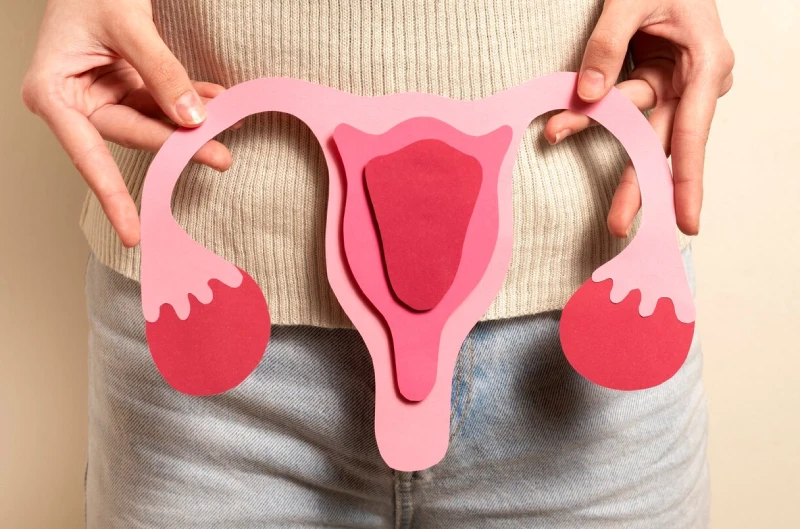
Myolysis is a method that uses thermal energy to convert the cells forming the fibroid into collagen tissue so that it is absorbed by the body and, as a result, shrinks. As it shrinks, over time the fibroid reaches a size at which it no longer causes any discomfort or symptoms. The myolysis procedure is carried out with a transvaginal RF electrode system called Cool RF, that is, cold radiofrequency.
Cold saline is circulated inside the fibroid through the tip of the needle. At the same time, the procedure is also followed in real time on the ultrasound device. The fact that the temperature of the needle tip can be monitored continuously also helps to perform a more successful and precise operation. This method is also considered to be the most minimally invasive method. In this way, both the operation itself and the recovery period that follows are short and comfortable for the patient.
The width of the needle tip used for myolysis can be adjusted between 0.5 and 4 cm. This gives the surgeon the possibility to work more precisely while also allowing fibroids of different sizes to be treated. The average ablation time expected for one fibroid is 12 minutes. However, this time may be shorter depending on the size of the fibroid. In the process of deciding on the myolysis procedure, the condition of the disease is extremely important. When deciding on the type of treatment, the size of the fibroid and the region in which it has developed are taken into account. In fibroids larger than 8 cm, the myolysis method is not considered as a first choice.
After the procedure, the condition of the disease is checked by the physician. Shrinkage generally begins in the third month after the procedure. Within one year, shrinkage of 80% to 90% is seen in the treated fibroids.
Myolysis: What Are the Advantages of Transcervical Radiofrequency Ablation (TCRFAS)?
Because myolysis is the most minimally invasive method, it has important advantages. Since the procedure is performed transvaginally, no incision is made and naturally no scar occurs. Similarly, the procedure is short. Moreover, ablation can be performed on more than one fibroid during a single operation. Thanks to the minimally invasive method, patients can leave the hospital on the same day. The time needed to rest and return to normal life is also quite short. For this reason, patients can return to their daily lives or to work without losing much time. With the minimally invasive method, the risk of side effects and of complications after surgery is reduced to a minimum.
Another important advantage offered by the myolysis method is that the patient’s uterus is preserved during the procedure. This allows patients to conceive after the procedure. For this reason, the myolysis procedure is performed on patients who wish to become mothers later on. In addition, it is easily carried out in patients who have had previous surgery, who have obesity, or who do not want to have an operation because they are afraid.
During the procedure, the tip of the needle varies between 12 and 20 degrees. Moreover, this temperature is maintained throughout the operation. This ensures that the procedure and its area of effect are at a maximum. Thanks to continuous monitoring, the surgeon can treat a much larger area in a shorter time.